-

1 8 Wavelength Division Multiplexing
In fiber-optic communications, wavelength-division multiplexing (WDM) is a technology which multiplexes a number of optical carrier signals onto a single optical fiber by using different wavelengths (i. To begin with, we assume that we have the element parameters from a known process design kit (PDK). Each signal is carried on a different wavelength of light, and. Wavelength division multiplexers are fundamental to the functioning and performance of integrated photonic circuits, with applications ranging from optical interconnects to sensing and quantum technologies. WDM allows communication in both the directions in the fiber cable.
-
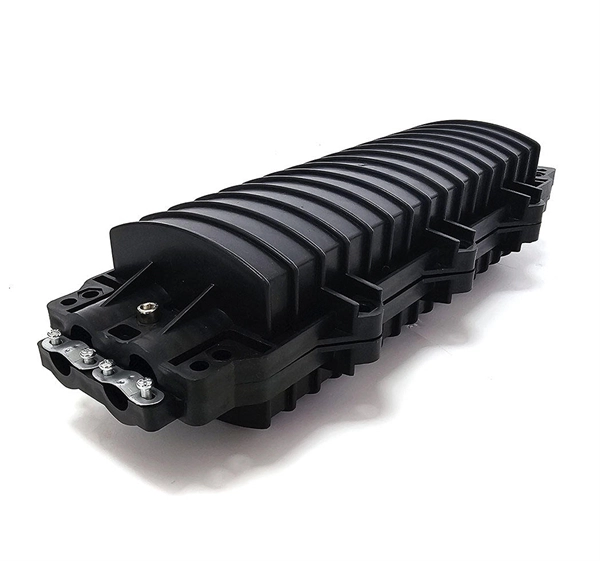
Customized Process for Low-Noise Wavelength Division Multiplexing in Mining
Here, we develop a novel design approach that co-optimizes inverse-designed wavelength division multiplexers and distributed Bragg gratings to achieve ultra-low crosstalk without compromising insertion loss. Current solutions are limited by trade-offs between channel spacing, crosstalk, insertion. Wavelength division multiplexing is a method of modulating multiple signals at different wavelengths (channels) to transmit them on a single waveguide or fiber. To begin with, we assume that we have the element parameters from a known process design kit (PDK). This co-optimized platform enables efficient routing of multiple light signals across different wavelengths.
-

How does WDM Wavelength Division Multiplexing technology couple
A WDM system uses a multiplexer at the transmitter to join the several signals together and a demultiplexer at the receiver to split them apart. With the right type of fiber, it is possible to have a device that does both simultaneously and can function as an optical add-drop. In fiber-optic communications, wavelength-division multiplexing (WDM) is a technology which multiplexes a number of optical carrier signals onto a single optical fiber by using different wavelengths (i. There are different filtering technologies such.
-
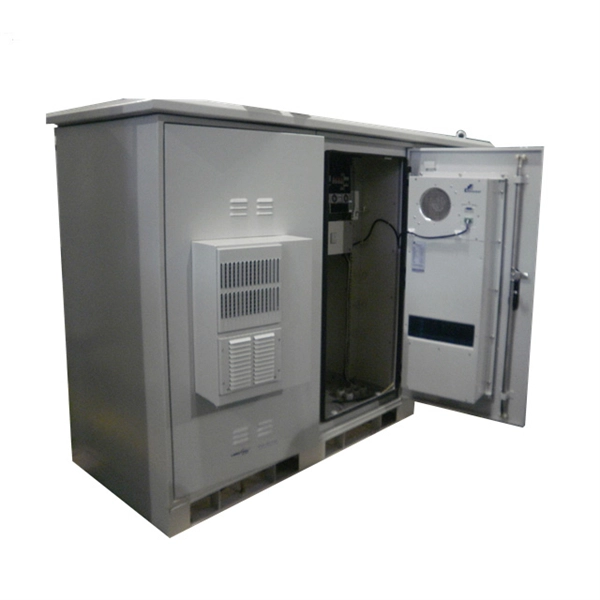
Dense Wavelength Division Multiplexing Channel Spacing
4 nm (100 GHz/50 GHz grid). This small channel spacing allows to transmit simultaneously more information. Currently a restriction on wavelengths between 1530 nm and 1625 nm exists which corresponds to the C and L band. In fiber-optic communications, wavelength-division multiplexing (WDM) is a technology which multiplexes a number of optical carrier signals onto a single optical fiber by using different wavelengths (i. Instead of transmitting one signal per fiber, WDM systems combine multiple optical carriers. FS DWDM transceivers are available with C17-C61 100 GHz DWDM wavelengths, and C17-C61 50 Ghz DWDM wavelengths, including DWDM SFP, DWDM SFP+, DWDM XFP, and Tunable DWDM transceivers that support transmission distance up to 100 km.
-

Wavelength Division Multiplexing in Experimental Box
In, wavelength-division multiplexing (WDM) is a technology which a number of signals onto a single by using different (i.e., colors) of. This technique enables communications over a single strand of fiber (also called wavelength-division duplexing) as well as multiplication of capacity.
-
Sparse Wavelength Division Multiplexing System
A WDM system uses a at the to join the several signals together and a at the to split them apart. With the right type of fiber, it is possible to have a device that does both simultaneously and can function as an. The optical filtering devices used have conventionally been (stable solid-state single-frequency in the form of.
-
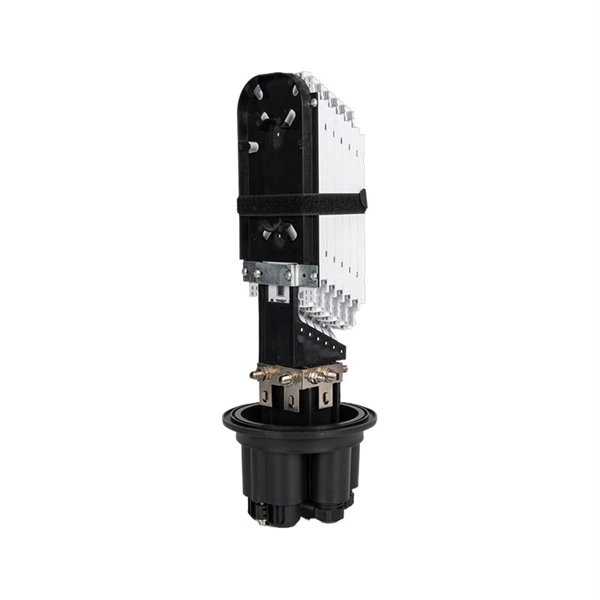
Multi-path wavelength division multiplexing
It is a method for combining multiple data signals onto a single optical fiber by assigning each data stream a distinct light wavelength. This technique enables bidirectional communications over a. Wavelength division multiplexers are fundamental to the functioning and performance of integrated photonic circuits, with applications ranging from optical interconnects to sensing and quantum technologies. The chapter begins with a quick historical account of the origin of optical communication and its exponential growth following the invention of erbium oped fiber amplifier (EDFA) leading to the widespread adoption of WDM. This makes it possible to scale capacity cost-effectively by using existing infrastructure more efficiently. Read on to learn the fundamentals of this useful technology. To begin with, we assume that we have the element parameters from a known process design kit (PDK).
[PDF Version]
-

Coarse Wavelength Division Multiplexer and Dense Wavelength Division
WDM systems are divided into three different wavelength patterns: normal (WDM), coarse (CWDM) and dense (DWDM). Coarse WDM provides up to 16 channels across multiple transmission windows of silica. Wavelength division multiplexing (WDM) is a technology for increasing the transmission capacity of optical fiber communications by sending multiple data channels simultaneously through a single fiber, each on a different wavelength of light. Learn all about CWDM, how it differs from DWDM, and whether a CWDM solution is right for your business's network. Although both technologies function by. The focus of this paper is on the basics of designing and deploying Coarse Wavelength Division Multiplexing (CWDM) systems based on modular Wave-Division-Multiplexing (WDM) technologies and pre-connectorized (“plug-and-play”) solutions.
[PDF Version]