-
Internet New Energy Data Analysis
This review examines the impact of data analytics powered by the Internet of Things (IoT), edge computing, and artificial intelligence (AI) on improving energy efficiency in smart environments, with a focus on smart factories, smart cities, and smart territories. AI is the science of making machines capable of learning to perform tasks that traditionally required human intelligence. As artificial intelligence boosts global electricity demand from data centres and increasingly transforms how the energy sector works, the IEA has launched a new Energy and AI Observatory to closely monitor and analyse the interconnections between the energy sector and this fast-evolving. The Energy Internet represents a transformative paradigm integrating advanced power systems, distributed renewable energy, and digital technologies to achieve efficient, resilient, and sustainable energy management. Systems of the Fraunhofer Energy Alliance predict energy demands via model-based methods depending on season, weekday, time and other relevant parameters like meteorological.
[PDF Version]
-
Czech Data Center Energy
The Czech data center sector is expanding but lags behind global leaders in infrastructure development. Key challenges include energy consumption, environmental impact, and community noise concerns, which could affect future investment and growth strategies. The Czechia Data Center Market Report is Segmented by Hotspot (Prague and Central Bohemia, South Moravia, Rest of Czechia), Data-Center Size (Small, Medium, Large, Massive, Mega), Tier Standard (Tier I-II, Tier III, Tier IV), and Absorption (Utilized, Non-Utilized). Building on the IEA's landmark Energy and AI report. As digitalisation accelerates, data centres are a vital and quickly growing infrastructure across Europe and the world, supporting our ever-growing use of cloud services and storage, AI, streaming services and more. However, their rapidly increasing energy demand is a challenge. They also have a. One of the key tools developed at IT4Innovations is open-source MERIC software – a set of tools for monitoring, managing, and optimising energy consumption in data centres.
[PDF Version]
-

Internet-based Smart Energy Services
IoT-based smart grid systems are pivotal in transforming the energy sector, offering enhanced efficiency and reliability. Driving Smart Energy Services Forward - A report by the InEExS project, outlines two roadmaps to accelerate the deployment of smart energy services across Europe. The potential. The Internet of Things is an emerging technology that can be employed to effectively manage energy usage in industrial, commercial, and residential sectors in the smart environment. This shift is evidenced by impressive market growth: by 2030, the global smart grid market is projected to reach USD 173 billion, expanding at a CAGR of 16.
-
The Energy Internet includes several types of energy
The distributed renewable energy, energy storage and micro energy grid are included in the EI. They propose that the basic architecture of the EI consists of 'the Internet‐like energy systems' and the 'Internetþ' layers. 7 Moreover, by 2015, the concept of EI could be categorised. However, at present, with the pressure of energy crisis and the development of novel energy conversion technologies, such as natural-gas unit, combined heat and power (CHP), the concept of energy internet (EI), which combine different types of energy carriers, such as electricity, natural gas, and. Energy Internet, a futuristic evolution of electricity system, is conceptualized as an energy sharing network. Its features, such as plug-and-play mechanism, real-time bidirectional flow of energy, information, and money can lead to significant benefits and innovation in electricity production and. Abstract—The increase of distributed energy, deregulation of energy market together with the growing pressure from energy consumption resulted climate change urges a transformation of the energy sector.
[PDF Version]
-
Low-Temperature Solutions for Belgian Energy Management Systems
The TEMPO project developed technical innovations that help to lower temperatures in district heating networks for a future sustainable energy system. Our containerized Battery Energy Storage System (BESS), purpose-built for 1C continuous operation, delivers the low-temperature reliability, enhanced safety, 10+ year lifespan, and comprehensive multi-point alarm protection that Belgian industrial facilities demand. Funded by the European Union's H2020 Programme under grant agreement 768936. Why is COOL DH cool?The quality of execution and components is critical for the future operation of the network. Therefore, incentives are aligned to drive excellence during construction. Freeing ourselves from fossil fuels such as oil and. Use of heat pump to charge a sensible heat thermal storage (water tanks).
[PDF Version]
-

Internet Enters the Energy Sector
IoT can be employed for improving energy efficiency, increasing the share of renewable energy, and reducing environmental impacts of the energy use. Digitalisation is an enabler of the energy transition across the whole energy value chain, from generation and transport, to distribution, supply and consumption. A system-wide approach, supported by EU. Modern technologies such the Internet of Things (IoT) offer a wide number of applications in the energy sector, i.
-
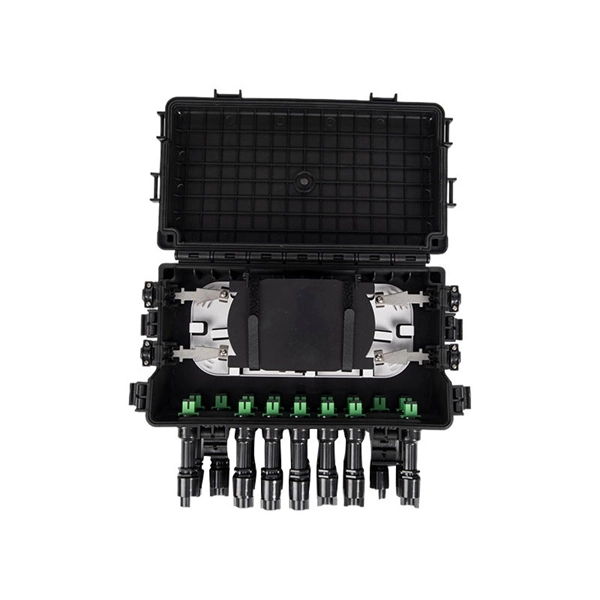
Widely Interconnected Energy Internet
The Energy Internet is a proposed framework for maximising the efficient collection, distribution, and management of energy sources using networked computing and communication systems. Its features, such as plug-and-play mechanism, real-time bidirectional flow of energy, information, and money can lead to significant benefits and innovation in electricity production and. In light of current developments in information and telecommunication network technology, the concept of the Energy Internet (EI) has been proposed. Many steps have been done recently to put the EI into practise. These EI models have a lot in common, and yet no one has settled on a single.
-
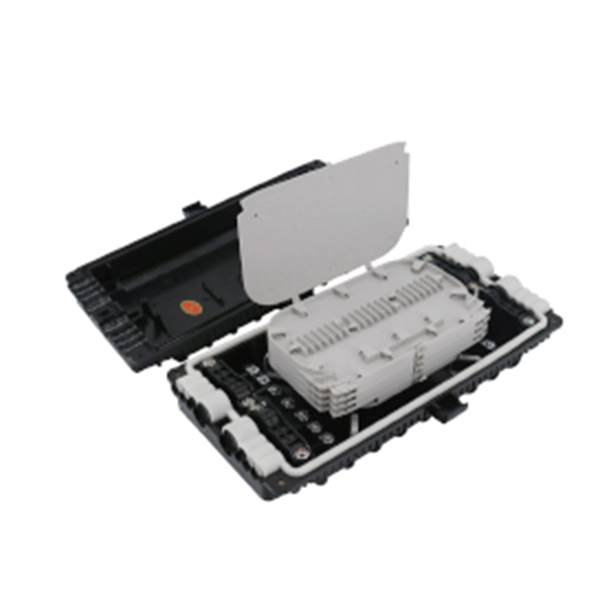
Two aspects of the global energy internet construction
Based on electrical power systems, leveraging renewable energy generation technology, and information technology, the energy internet fuses power grids, gas networks, heat/cold supply networks, electri.
-
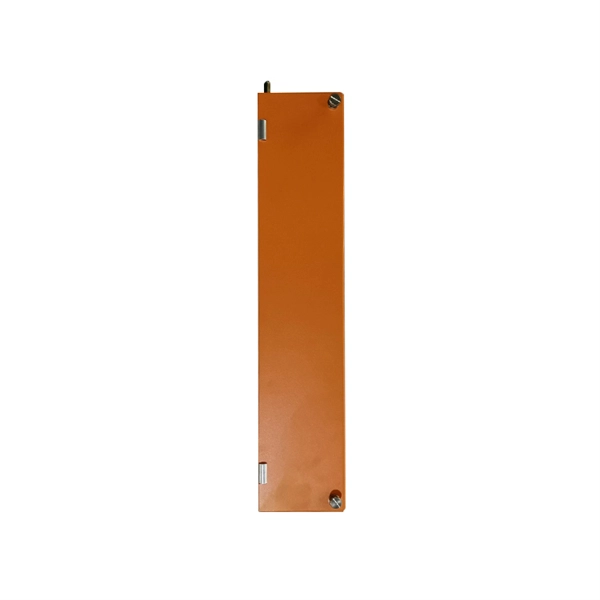
Malaysia wall-mounted energy storage cabinet is heat resistant
Aluminium: Wall mounted enclosures made from aluminium provide excellent heat dissipation and corrosion resistance, with a good strength-to-weight ratio. They're ideal for applications requiring EMI/RFI shielding or heat management. ABS Plastic: This lightweight and affordable material offers good impact resistance and excellent electrical insulation. Built on over two decades of global R&D and manufacturing excellence, our solutions bring grid resilience and lower energy costs to homes. We provide Energy Storage Solutions targeted at applications which require high power density, high energy density, extended lifetime with optimum size/weight requirements., a manufacturing enterprise located in Malaysia that focuses on battery R&D and production, is currently the only storage battery factory with a production license in Malaysia. ©COPYRIGHT 2023 JYC BATTERY SDN.
[PDF Version]