-

Internet-based Smart Energy Services
IoT-based smart grid systems are pivotal in transforming the energy sector, offering enhanced efficiency and reliability. Driving Smart Energy Services Forward - A report by the InEExS project, outlines two roadmaps to accelerate the deployment of smart energy services across Europe. The potential. The Internet of Things is an emerging technology that can be employed to effectively manage energy usage in industrial, commercial, and residential sectors in the smart environment. This shift is evidenced by impressive market growth: by 2030, the global smart grid market is projected to reach USD 173 billion, expanding at a CAGR of 16.
-
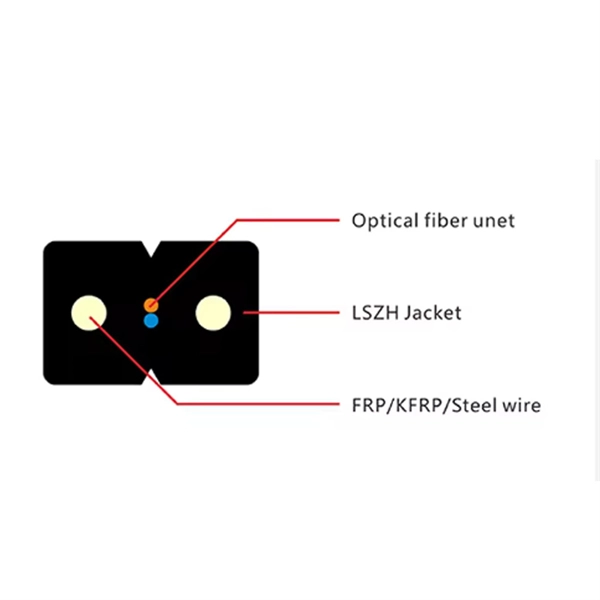
Czech Data Center Energy
The Czech data center sector is expanding but lags behind global leaders in infrastructure development. Key challenges include energy consumption, environmental impact, and community noise concerns, which could affect future investment and growth strategies. The Czechia Data Center Market Report is Segmented by Hotspot (Prague and Central Bohemia, South Moravia, Rest of Czechia), Data-Center Size (Small, Medium, Large, Massive, Mega), Tier Standard (Tier I-II, Tier III, Tier IV), and Absorption (Utilized, Non-Utilized). Building on the IEA's landmark Energy and AI report. As digitalisation accelerates, data centres are a vital and quickly growing infrastructure across Europe and the world, supporting our ever-growing use of cloud services and storage, AI, streaming services and more. However, their rapidly increasing energy demand is a challenge. They also have a. One of the key tools developed at IT4Innovations is open-source MERIC software – a set of tools for monitoring, managing, and optimising energy consumption in data centres.
[PDF Version]
-

British Rail Energy Internet
Railway electrification in Great Britain began in the late 19th century. A range of voltages has been used, employing both overhead lines and conductor rails. The two most common systems are using, and the system used in Southeast England and on. As of October 2023, 6,065 kilometres (3,769 mi) (38%) of the was.
-

200kWh energy storage battery cabinet for security purposes
200 kWh intelligent string outdoor battery cabinet with IP55 protection, designed for secure and efficient energy storage in harsh environments. Housed within a single weatherproof enclosure, it combines high-density lithium iron phosphate battery modules, a battery management system, a power conversion. Our 200kWh battery bank is designed to meet the energy-demanding requirements of commercial and industrial areas. It offers peak shaving, energy backup, demand response, and increased solar ownership capabilities. Modular design,highly integrated. Safe and Reliable Tier-1 LFP batteries.
-

Intelligent Energy Storage Battery Cabinet for Mining Use
The lithium ion battery cabinet represents a cutting-edge energy storage solution designed to meet modern power management demands. It works from -20°C to 55°C. Featuring LiFePO4 or Sodium-ion battery technology, this IP54-rated system delivers safe, long-life performance with three-level fire. AZE's Battery Energy Storage Systems (BESS): Powering the Future of Energy Management AZE is at the forefront of innovative energy storage solutions, offering advanced Battery Energy Storage Systems (BESS) designed to meet the growing demands of renewable energy integration, grid stability, and. Individual pricing for large scale projects and wholesale demands is available.
-

Internet Enters the Energy Sector
IoT can be employed for improving energy efficiency, increasing the share of renewable energy, and reducing environmental impacts of the energy use. Digitalisation is an enabler of the energy transition across the whole energy value chain, from generation and transport, to distribution, supply and consumption. A system-wide approach, supported by EU. Modern technologies such the Internet of Things (IoT) offer a wide number of applications in the energy sector, i.
-
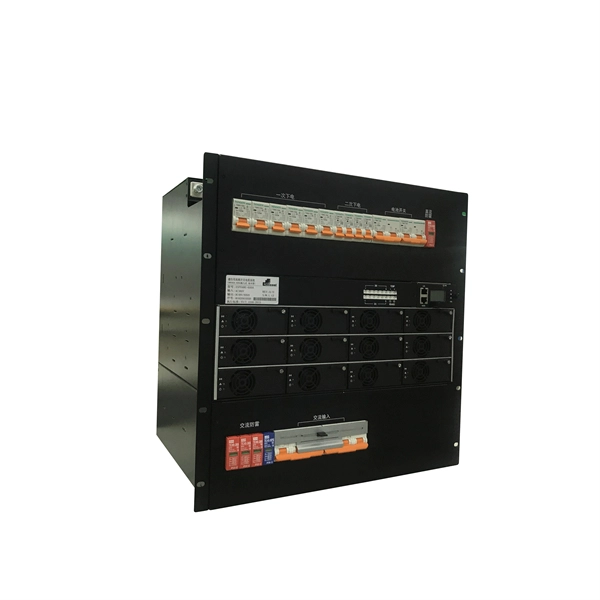
Focusing on Building an Energy Internet
In this paper, a holistic review of the energy Internet evolution in terms of the architecture, types of ERs, and the benefits and challenges of its implementation is presented. An exhaustive summary of the designs and architectures of the different types of ERs is also presented. This article offers a perspective grounded in a deep understanding of what's at stake: the reliability of our energy infrastructure, the safety of communities and the speed of innovation in the global energy transition. It improves a reliability of the system, and provides an increased utilization of energy resources by integrating the smart grid with the. Abstract—This paper focuses on the management of the electricity grids using energy packets to build the Energy Internet via machine-type communications.
[PDF Version]
-
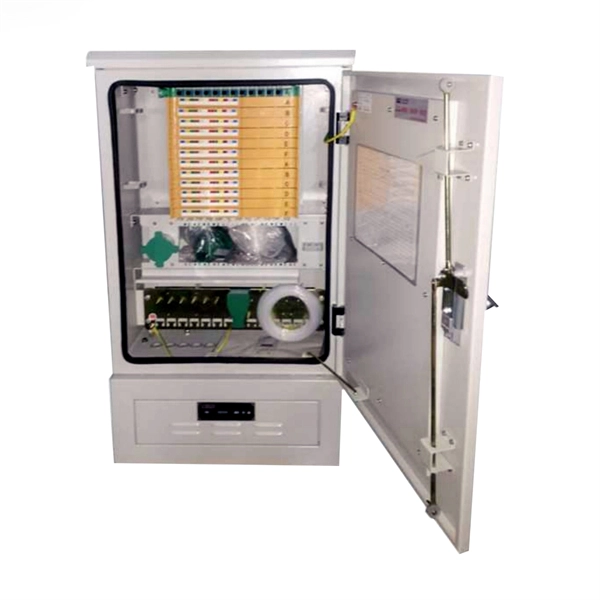
Internet New Energy Data Analysis
This review examines the impact of data analytics powered by the Internet of Things (IoT), edge computing, and artificial intelligence (AI) on improving energy efficiency in smart environments, with a focus on smart factories, smart cities, and smart territories. AI is the science of making machines capable of learning to perform tasks that traditionally required human intelligence. As artificial intelligence boosts global electricity demand from data centres and increasingly transforms how the energy sector works, the IEA has launched a new Energy and AI Observatory to closely monitor and analyse the interconnections between the energy sector and this fast-evolving. The Energy Internet represents a transformative paradigm integrating advanced power systems, distributed renewable energy, and digital technologies to achieve efficient, resilient, and sustainable energy management. Systems of the Fraunhofer Energy Alliance predict energy demands via model-based methods depending on season, weekday, time and other relevant parameters like meteorological.
[PDF Version]