-

How does WDM Wavelength Division Multiplexing technology couple
A WDM system uses a multiplexer at the transmitter to join the several signals together and a demultiplexer at the receiver to split them apart. With the right type of fiber, it is possible to have a device that does both simultaneously and can function as an optical add-drop. In fiber-optic communications, wavelength-division multiplexing (WDM) is a technology which multiplexes a number of optical carrier signals onto a single optical fiber by using different wavelengths (i. There are different filtering technologies such.
-
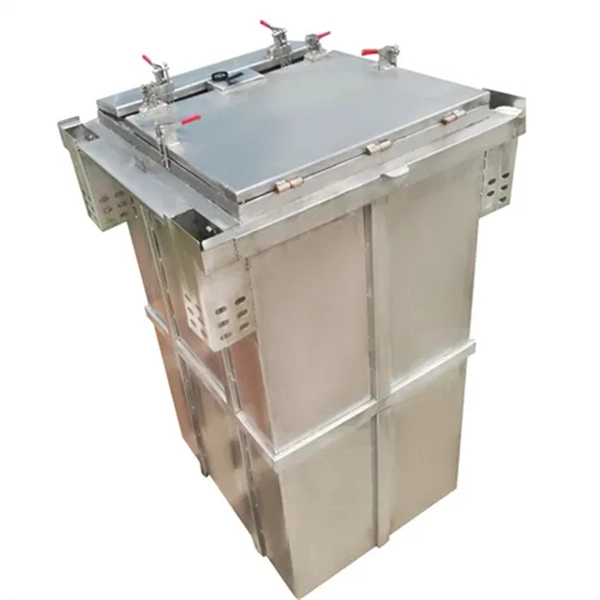
Photovoltaic Technology
Polycrystalline solar cells, often called multi-crystalline panels, are highly cost-effective, budget-friendly, and durable photovoltaic devices made by melting multiple silicon fragments together. Polysilicon is produced from metallurgical grade silicon by a chemical. Polycrystalline silicon is a material composed of multiple misaligned silicon crystals. Whether you're a solar project developer, an engineering procurement manager, or an investor in renewable energy, understanding this material's role can.
-

Importance of Fiber Optic Communication Technology
Modern fiber-optic communication systems generally include optical transmitters that convert electrical signals into optical signals, to carry the signal, optical amplifiers, and optical receivers to convert the signal back into an electrical signal. The information transmitted is typically generated by computers or.
-

Processing technology of bundled optical cable patch cords
As a critical component in high-speed networks, fiber optic patch cords require micron-level precision. This guide unveils the complete production workflow compliant with **IEC 61754** and **Telcordia GR-326-CORE** standards, featuring proprietary quality control methods. Their performance directly impacts signal quality, insertion loss (IL), and return loss (RL). You will receive comprehensive video and technical support from FOCC. At Weunion Company, we engineer every patch cord with precision, using advanced manufacturing techniques and. A fiber patch cord and pigtail production line typically involves several key processes to ensure high-quality output. Here's a general overview of what such a production line might include: Fiber Optic Cables: Opting for the right fiber models (single-mode vs.
[PDF Version]
-

High-efficiency silicon back contact photovoltaic technology
HPBC solar cells combine the advantages of passivated emitter and back surface passivated contact (PERC) technology and adopt a back contact design, which usually forms passivated contact on the back of the cell to reduce the front occlusion and improve light absorption. 09%-efficiency silicon heterojunction back contact solar cell and going beyond”, reflects our significant progress in this area by developing a new generation of heterojunction back contact (HBC) solar cells that not only push efficiency boundaries but also address key. Back contact photovoltaics deliver high efficiency and reduced costs, setting the stage for next-gen solar technology integration Thanks to lower investment costs and high production efficiency, back contact technology offers unique advantages in the solar industry and strong potential for. In recent decades, two major Si solar cell technologies, i. 81%-efficient hybrid interdigitated back-contact cell it unveiled in April is based on passivated tunneling contacts and dielectric passivation layers, while also incorporating both n-type and p-type contacts.
[PDF Version]
-

Network Security Equipment Technology
Network security devices are hardware or virtual appliances designed to protect computer networks from unauthorized access, data breaches, and cyberattacks. They include firewalls, intrusion prevention systems, VPN gateways, and other tools that safeguard data across network connections. These solutions help you stay ahead of threats. They protect your network with confidence, using. Here are the common filtering options for rule establishment: Source IP Address: This indicates the origin of the packet. Destination IP Address: This represents the final destination of. Network segmentation involves dividing a network into separate segments or VLANs. Its unified threat management approach combines advanced firewall capabilities, secure SD-WAN, and AI-driven threat intelligence, making it a.
[PDF Version]