-
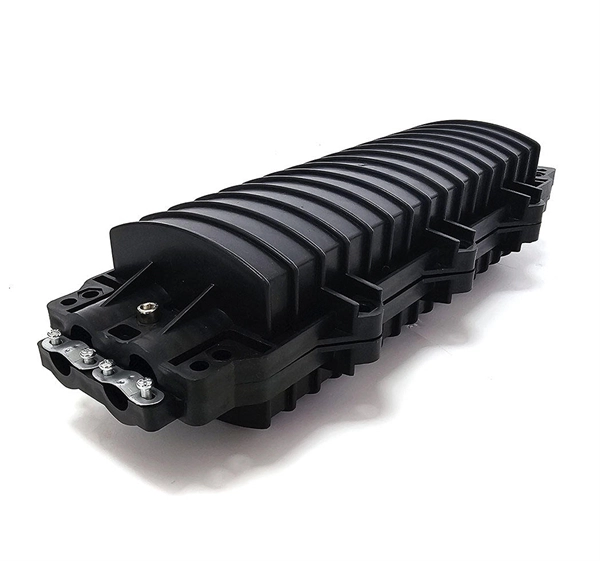
Customized Process for Low-Noise Wavelength Division Multiplexing in Mining
Here, we develop a novel design approach that co-optimizes inverse-designed wavelength division multiplexers and distributed Bragg gratings to achieve ultra-low crosstalk without compromising insertion loss. Current solutions are limited by trade-offs between channel spacing, crosstalk, insertion. Wavelength division multiplexing is a method of modulating multiple signals at different wavelengths (channels) to transmit them on a single waveguide or fiber. To begin with, we assume that we have the element parameters from a known process design kit (PDK). This co-optimized platform enables efficient routing of multiple light signals across different wavelengths.
-
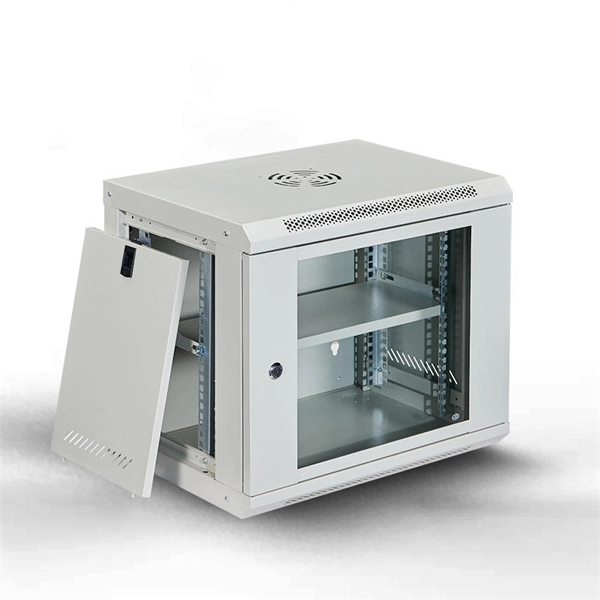
Customized Low-Loss Process for Photovoltaic Distribution Containers in Wind Power Generation
To address the challenges of voltage deviation and increased network losses arising from the high integration of photovoltaic (PV) systems in distribution networks, this paper proposes a bi-level optimisation model for configuring distributed energy storage systems (ESS). To address the challenges of voltage deviation and increased network losses arising from the high integration of photovoltaic (PV) systems in distribution networks, this paper proposes a bi-level optimisation model for configuring distributed energy storage systems (ESS). To address the challenges of voltage deviation and increased network losses arising from the high integration of photovoltaic (PV) systems in distribution networks, this paper proposes a bi-level optimisation model for configuring distributed energy storage systems (ESS) tailored to. To address the challenges of voltage deviation and increased network losses arising from the high integration of photovoltaic (PV) systems in distribution networks, this paper proposes a bi-level optimisation model for configuring distributed energy storage systems (ESS) tailored to.
[PDF Version]
-

Customization Process for Low-Noise Reconfigurable Optical Add-Drop Multiplexers for Broadcast Transmission
Network operators diversify service offerings and enhance network efficiency by leveraging bandwidth-variable transceivers and colorless flexible-grid reconfigurable optical add-drop multiplexers (RO.
-

Fiber Optic Cable Laying Process Disclosure
163 describes criteria for the installation of optical fibre cables defined in Recommendation ITU-T L. 110 in remote areas with lack of usual infrastructure for installation including the procedures of cable-route planning, cable selection, cable-installation. The objective of this document is to be an optical fibre cable installation and laying guide, addressed to new installers, also being useful as a reminder to experienced installers. The Fiber Optic Association, Inc. (FOA) was founded in 1995 to help develop the workforce to build the fiber optic networks to support a rapid expansion in communications and the Internet. The charter of the FOA was to promote professionalism in fiber optics through education, certification, and. Recommendations for Fiber Optic Cable Installation Where reels are supplied with protective material fitted over the cable, the protection should remain in place until the cable will be installed. ation or liability to users of this publication. Existence of a standard shall not preclude any member or nonmember of NECA or FOA from specifying or using alternate construc Code (NEC) in effect at the time of publication.
[PDF Version]
-
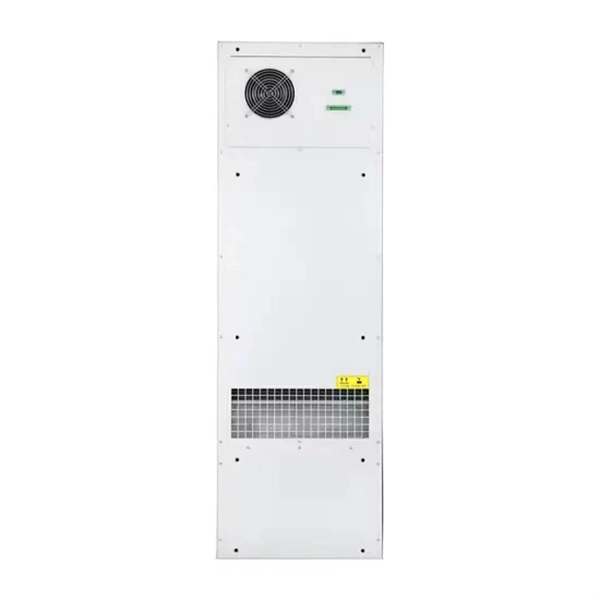
Clearance Standards for High and Low Voltage Complete Sets of Equipment
26, these rules define the minimum Spaces about electrical equipment necessary for workers to perform tasks like inspection, maintenance, and replacement safely. 8 essential formulas with worked examples - Ohm's Law, Watt's Law, voltage drop, transformer ratio. A printable 2-page reference card sent to your inbox. Need to renew your Electrician license? Pick your state and browse state-approved Electrician CE courses — complete your continuing education. To re-cap Article #1 from March 5th and as required by OSHA, NFPA and the NEC: "working space around electrical enclosures or equipment shall be adequate for conducting all anticipated maintenance and operations safely, including sufficient space to ensure the safety of personnel working during. Regulatory creepage and clearance requirements are increasingly affecting mainstream designs; understanding and meeting them is a complicated, multifaceted process.
[PDF Version]