-

Internet of Things Technology and Energy Internet
This paper explores the transformative impact of IoT technologies on energy infrastructure, focusing on how they facilitate real-time monitoring, predictive maintenance, and data-driven decision-making. Integration of renewable energy and optimization of energy use are key enablers of sustainable energy transitions and mitigating climate change. Modern technologies such the Internet of Things (IoT) offer a wide number of applications in the energy sector, i. The current scope of IoT in the energy sector focuses on enhancing efficiency, reducing operational costs, and implementing more intelligent energy. IoT sensors embedded within the energy industry facilitate diagnostic, analytic, optimization, and integration processes, ultimately enhancing energy efficiency for residential, commercial, and industrial stakeholders. Its incorporation into engineering systems have gradually become very popular in recent.
[PDF Version]
-

The Energy Internet includes several types of energy
The distributed renewable energy, energy storage and micro energy grid are included in the EI. They propose that the basic architecture of the EI consists of 'the Internet‐like energy systems' and the 'Internetþ' layers. 7 Moreover, by 2015, the concept of EI could be categorised. However, at present, with the pressure of energy crisis and the development of novel energy conversion technologies, such as natural-gas unit, combined heat and power (CHP), the concept of energy internet (EI), which combine different types of energy carriers, such as electricity, natural gas, and. Energy Internet, a futuristic evolution of electricity system, is conceptualized as an energy sharing network. Its features, such as plug-and-play mechanism, real-time bidirectional flow of energy, information, and money can lead to significant benefits and innovation in electricity production and. Abstract—The increase of distributed energy, deregulation of energy market together with the growing pressure from energy consumption resulted climate change urges a transformation of the energy sector.
[PDF Version]
-
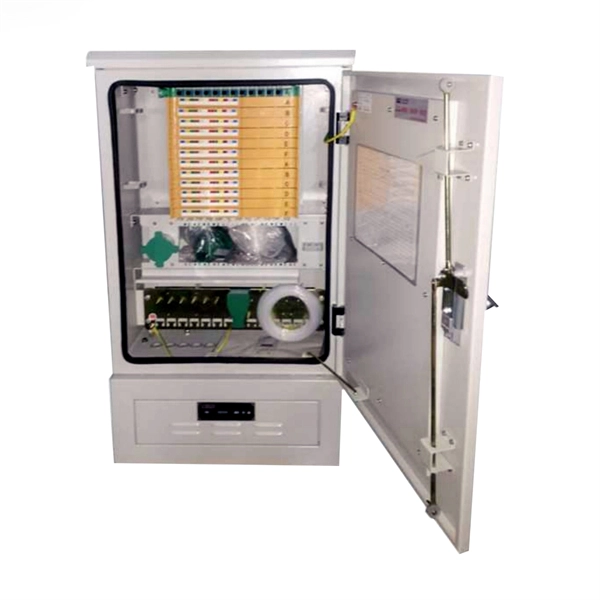
Internet New Energy Data Analysis
This review examines the impact of data analytics powered by the Internet of Things (IoT), edge computing, and artificial intelligence (AI) on improving energy efficiency in smart environments, with a focus on smart factories, smart cities, and smart territories. AI is the science of making machines capable of learning to perform tasks that traditionally required human intelligence. As artificial intelligence boosts global electricity demand from data centres and increasingly transforms how the energy sector works, the IEA has launched a new Energy and AI Observatory to closely monitor and analyse the interconnections between the energy sector and this fast-evolving. The Energy Internet represents a transformative paradigm integrating advanced power systems, distributed renewable energy, and digital technologies to achieve efficient, resilient, and sustainable energy management. Systems of the Fraunhofer Energy Alliance predict energy demands via model-based methods depending on season, weekday, time and other relevant parameters like meteorological.
[PDF Version]
-

Internet Enters the Energy Sector
IoT can be employed for improving energy efficiency, increasing the share of renewable energy, and reducing environmental impacts of the energy use. Digitalisation is an enabler of the energy transition across the whole energy value chain, from generation and transport, to distribution, supply and consumption. A system-wide approach, supported by EU. Modern technologies such the Internet of Things (IoT) offer a wide number of applications in the energy sector, i.
-
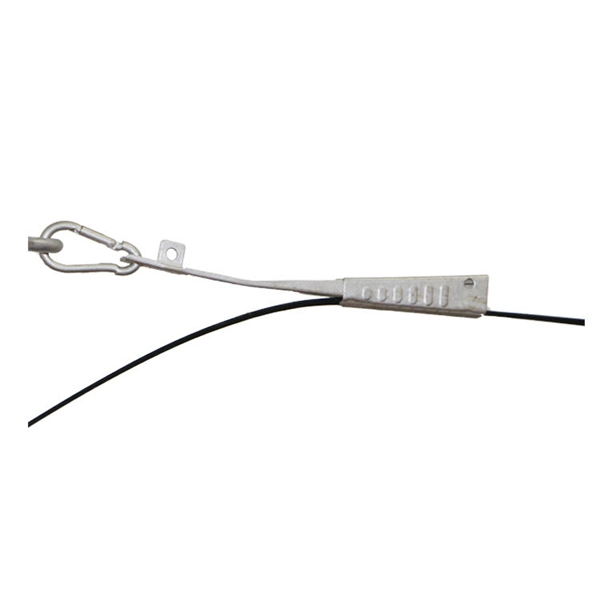
Low-Temperature Solutions for Belgian Energy Management Systems
The TEMPO project developed technical innovations that help to lower temperatures in district heating networks for a future sustainable energy system. Our containerized Battery Energy Storage System (BESS), purpose-built for 1C continuous operation, delivers the low-temperature reliability, enhanced safety, 10+ year lifespan, and comprehensive multi-point alarm protection that Belgian industrial facilities demand. Funded by the European Union's H2020 Programme under grant agreement 768936. Why is COOL DH cool?The quality of execution and components is critical for the future operation of the network. Therefore, incentives are aligned to drive excellence during construction. Freeing ourselves from fossil fuels such as oil and. Use of heat pump to charge a sensible heat thermal storage (water tanks).
[PDF Version]
-

The core of the energy internet
Energy Internet integrates small-scale renewable energy systems, electric loads, storage devices, and electric vehicles for effective transaction of power backed by emerging technologies such as Internet of Things, vehicle-to-grid, and blockchain. Its features, such as plug-and-play mechanism, real-time bidirectional flow of energy, information, and money can lead to significant benefits and innovation in electricity production and. Energy Internet is a concept proposed to harness, control, and manage energy resources effectively, with the help of information and communication technology.
-
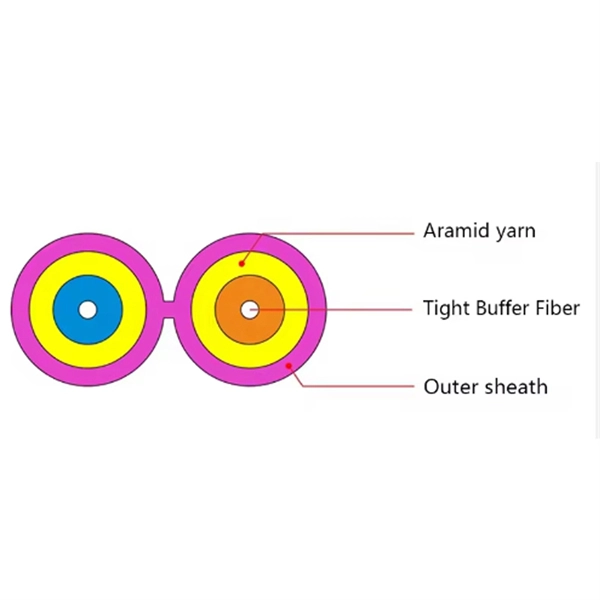
North Korea s Internet New Energy
Internet access is available in North Korea, but is only permitted with special authorization. It is primarily used for government purposes, and by foreigners. The country has some broadband infrastructure, including fiber optic links between major institutions. Online services for most individuals and institutions are provided through a free domestic-only network known as Kwangmyong, wit. Service providers and accessInternet access in North Korea is available from Star Joint Venture Co., a joint venture between the North Korean government's and Thailand-based. As of 2018, construction of an Internet Communication Bureau headquarters was underway in Pyongyang. There are about 30 websites, such as, run by the DPRK governmen.
-

Two aspects of the global energy internet construction
Based on electrical power systems, leveraging renewable energy generation technology, and information technology, the energy internet fuses power grids, gas networks, heat/cold supply networks, electri.