-
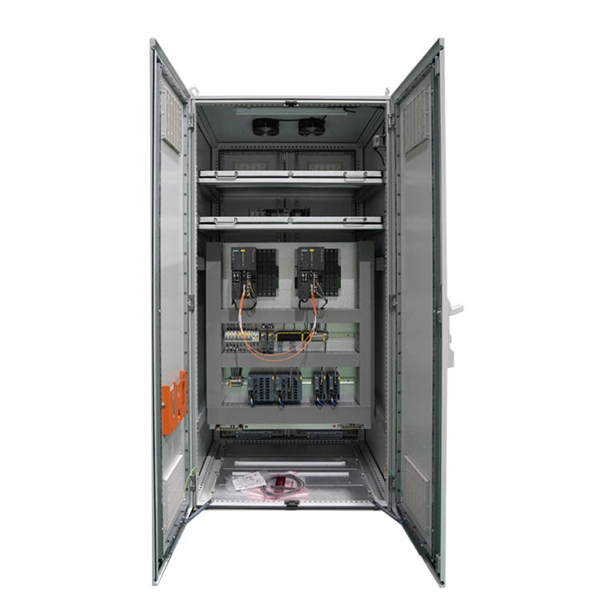
Industrial-grade switch heat dissipation
Fanless switches rely on passive heat dissipation, often enhanced by rugged or finned enclosure designs that increase surface area and improve natural heat transfer. This design not only improves reliability but also supports operation in dusty or vibration-prone environments. In the driverless mining truck dispatch system at an open-pit coal mine in Ordos, Inner Mongolia, during summer when surface temperatures reached 65°C, ordinary switches frequently crashed due to overheating, causing five mining trucks to lose navigation control. Meanwhile, at a winter well site in. In general, semi-commercial or commercial-grade network switches are designed to operate within a temperature range of approximately 0°C to 45°C (32°F to 113°F).
-

How to ensure good heat dissipation in explosion-proof network cabinets
Several fundamental strategies optimize heat dissipation: Component placement and spacing. Position heat-generating equipment away from temperature-sensitive devices, with adequate airflow clearances. Total all internal heat sources – This defines the total internal thermal load—everything your enclosure must manage. In this post, we'll explore. How to determine whether an explosion-proof cabinet requires the installation of cabinet air conditioning? New Product Recommendation | TXU Series High Pe. Common reasons and maintenance methods for cabi. Axial flow fan not running: 10 common problems. Choosing the Right Network Cabinet Size When selecting a network cabinet, appropriate size is paramount for heat. Consequently, telecommunication equipment is housed in cabinets to protect the electronics from a variety of hazards; one of which is temperature-related failure. They house sensitive components such as PLCs, variable frequency drives (VFDs), contactors, relays, and communication equipment.
[PDF Version]