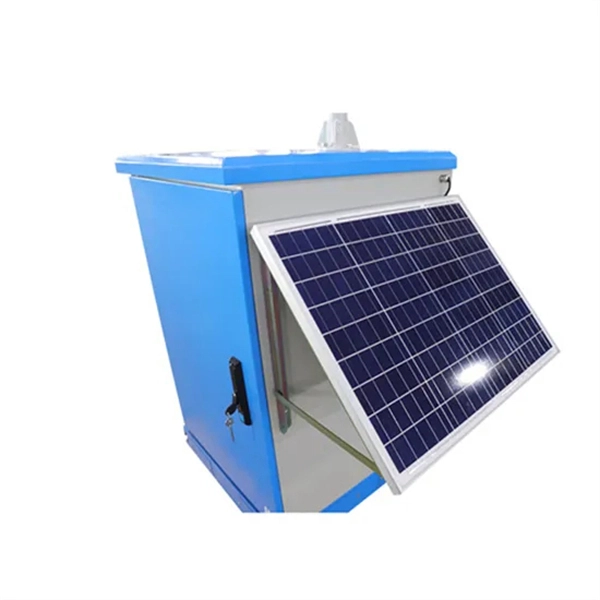
The cooling fan working principle is based on forced air convection. The fan moves air across hot surfaces, allowing heat to transfer from the equipment into the surrounding air. Electrical cabinets are the backbone of modern automation and power distribution systems. They house sensitive components such as PLCs, variable frequency drives (VFDs), contactors, relays, and communication equipment. All of these devices generate heat during operation. If this heat is not. This article elaborates on key points for building industrial cabinet air‑cooling systems from four dimensions: air‑cooling principles, fan selection, airflow layout and daily maintenance, while recommending high‑performance ventilation and cooling solutions. Air cooling works in a simple yet. Natural heat dissipation: The casing of the distribution box is usually made of metal material, which can dissipate heat by natural convection by increasing the heat sink or cooling holes of the casing. SIVACON S8, with the components of the circuit breaker design. The propellers (fan blades) located in the circular flow path between the cylindrical hub and casing are used to force-feed air in order to generate air flow in the direction of the axis of rotation.