-
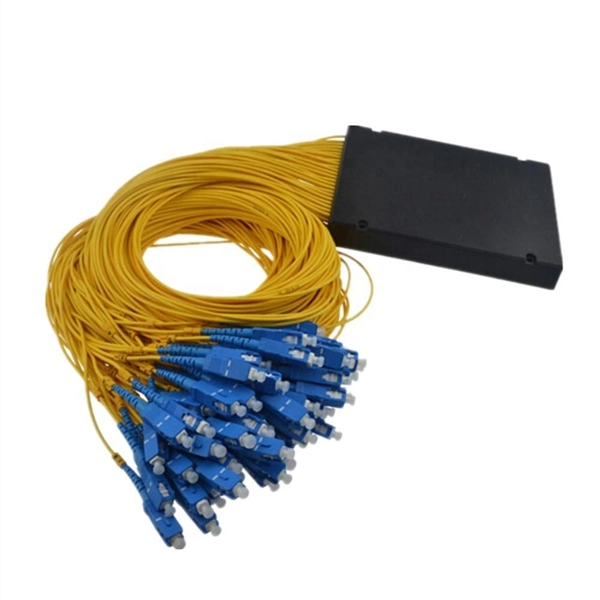
NEMA4X Intelligent Cold Aisle for Smart Buildings
A highly adaptable, field-fabricated hot or cold aisle containment solution that installs over cabinets of varying sizes and works around architectural obstacles—ideal for retrofit deployments. Ready to take the next step?What is Cold Aisle Containment and how does it help energy efficiency? Cold Aisle Containment isolates the cooled supply air from the cooling units within direct proximity of the air intake of critical equipment. An enormous amount of energy is used every day to maintain an acceptable intake. The SmartAisle™ System is a complete data center pre-Engineered by Vertiv for lightning-fast deployments. Each system includes fully redundant power and cooling, UPS battery backup, power distribution, complete airflow containment, and cable management. Easily add, remove, or omit cabinets as needed. Which option should you choose? Cooling hot and cold airflows.
[PDF Version]
-

Broadband cold connection fee
Most major providers charge between $10 and $20 per month for this, and those fees add up fast over a multi-year service relationship. Connection fees are one-time charges that customers often encounter when signing up for various services, such as cable, internet, or utility connections. These fees are an essential part of the process and are typically meant to cover the costs associated with establishing and activating the. Those that do all charge $10. When signing up for a new home internet, clarity into all the potential extra costs is the key to a good. Installation & setup: Typically $50–$200 (sometimes waived during promos). Activation fees: $0–$20, often bundled with setup. Equipment rental: $10–$15/month to lease a modem/router (buying your own can save over time). One-time charges appear primarily on your first. Transparency has improved thanks to new FCC rules requiring clearer, all-in disclosures for broadband labels and TV advertising, but the promotional monthly cost for internet service rarely reflects one-time setup fees, equipment choices, or optional add-ons.
[PDF Version]
-
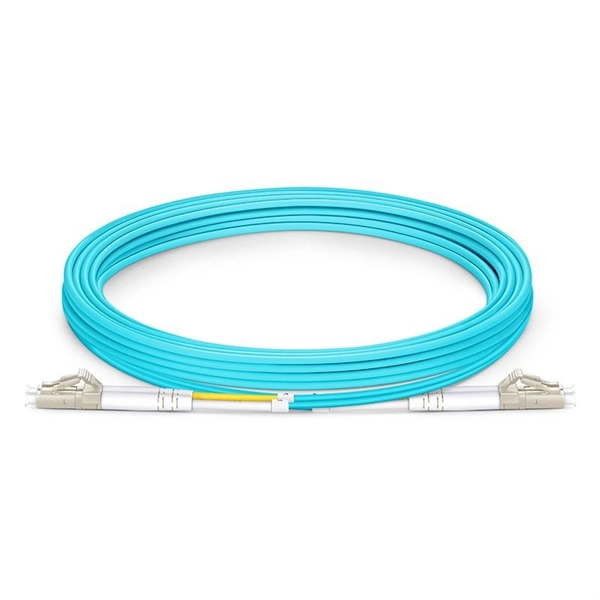
Cold junction terminal
This junction is physically located where the specialized thermocouple wires connect to the standard copper wiring of the measuring instrument. To obtain an accurate absolute temperature reading, the reference junction must be held at a known, stable temperature (see Figure 5. Throughout thermocouple thermometry it is necessary to refer. All product-related documents, such as certificates, declarations of conformity, etc., which were issued prior to the conversion under the name Pepperl+Fuchs GmbH or Pepperl+Fuchs AG, also apply to Pepperl+Fuchs SE.
-
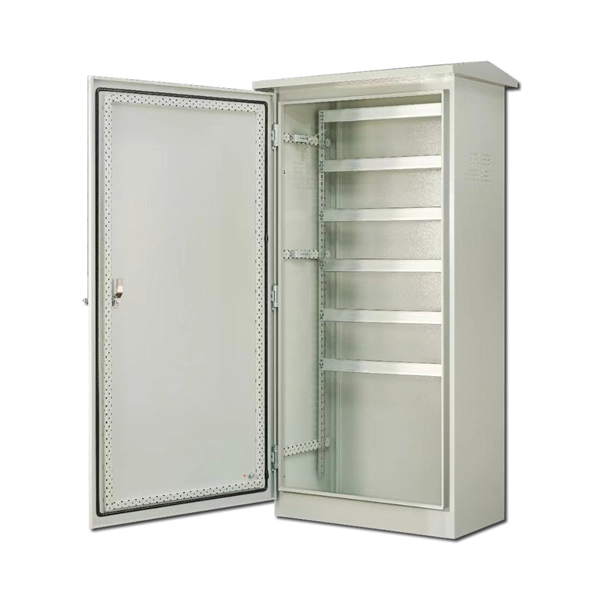
Fiber optic cold splice temperature resistance
The technique provides superior mechanical strength, typically ranging from 0. Fiber optic cable manufacturers specify operating temperature ranges of −40°C to +70°C for installed cables, but these ratings only apply to cables that are **already installed and thermally stabilized**. During the installation process — when cables are pulled through ducts, draped across poles. Optical fiber's ability to withstand extreme heat and cold directly impacts signal integrity, network reliability, and maintenance costs, especially in harsh environments like industrial facilities, outdoor installations, and data centers. This work paves the way towards future implementation of silica and fluoride fibers splicing using. Zooming around 15 km displays a splice. Performing a Brillouin measurement discovers significant stress areas along the cable.
[PDF Version]
-

Cold connector fiber optic network
Fiber optic cold connection, also known as mechanical splicing, is a widely used method of connecting optical fibers in a network. This comprehensive guide covers SC/APC vs SC/UPC fast connectors, selection criteria, installation best practices, compatibility considerations, and application-specific. Active connection utilizes various fiber optic connectors (plugs and sockets) to connect site-to-site or site-to-cable. This method is flexible, simple, convenient, and reliable, commonly used in building computer network cabling. The typical attenuation is 1dB per connection. Unlike fiber splicing, which is permanent, connectors allow for easy connection and disconnection of cables, making them ideal for maintenance and flexibility in. The wide application of fiber-to-the-home (FTTH) has promoted the rise of fiber optic fast connectors/cold connectors. It is a must for fiber optic systems.
[PDF Version]
-

Turkmenistan cold aisle 800mm deep
Terrain of Turkmenistan consists of a flat-to-rolling sandy desert, the Karakum, with its dunes slowly rising to the south; by the time they reach the border with Iran, they become the mountains known as the Kopet Dag. The Caspian Sea washes the western shores of this mostly arid country. Turkmenistan's average elevation is 100–220 meters (330–720 ft) above sea level, with its highest poin. Overview is a country in, bordering the to the west, and to the south, to the north-east, and to the north-west. It is the southernm. Since the, is largely unchanged in Turkmenistan. The new government created the Ministry of Natural Resources Use and Environmental Protection i. Area total: 488,100 km (188,500 sq mi) country rank in the world: 52nd land: 469,130 km (181,130 sq mi) water: 18,170 km (7,020 sq mi)Area — comparative slightly larger than Cameroon.
[PDF Version]
-

The fiber optic cold splice contains a matching fluid
There is index matching gel inserted in the splice housing which can prevent reflectance. Optical fiber cold splice technology is based on the use of mechanical connectors to join two fiber-optic cables. The connectors used in cold splicing typically consist of two parts: a ferrule and a. The fiber quick splicing connector is also called field assembly connector, means only use simple splicing tools not fusion splicer to realize drop cable terminated. On the other hand, instead of closing the gap between the. The optical gel acts as a medium for which the light can pass between the two ends of the fiber. The following provides a detailed explanation of testing and uses of index-matching gel.
-

Dual-core fiber optic cold splice
Fusion splice techniques for multicore fibers (MCFs) are discussed here. We demonstrate a swing electrode system for uniform discharge and an end-view function for automatic and precise core alignmen.
-

How about China Unicom cold splices
China United Network Communications Group Co., Ltd., China Unicom, is a Chinese. Originally founded in 1994 as a and , it currently provides a range of services including mobile network, long-distance & local calling, data communication, Internet services,, and. As of 2022, China Unicom is the.
-

How long should the fiber optic connector cold connector be cut
Be careful not to cut into fibers while removing cable sheath and outer jacket. 9. We terminate fiber optic cable two ways - with connectors that can mate two fibers to create a temporary joint and/or connect the fiber to a piece of network gear or with splices which create a permanent joint between the two fibers. But perhaps they have been overselling the simplicity of fiber optic termination. Manufacturers have invented and tested many. This ensures a natural and smooth cable layout, minimizing right-angle transitions that can impact signal performance.