-

The core of the energy internet
Energy Internet integrates small-scale renewable energy systems, electric loads, storage devices, and electric vehicles for effective transaction of power backed by emerging technologies such as Internet of Things, vehicle-to-grid, and blockchain. Its features, such as plug-and-play mechanism, real-time bidirectional flow of energy, information, and money can lead to significant benefits and innovation in electricity production and. Energy Internet is a concept proposed to harness, control, and manage energy resources effectively, with the help of information and communication technology.
-

British Rail Energy Internet
Railway electrification in Great Britain began in the late 19th century. A range of voltages has been used, employing both overhead lines and conductor rails. The two most common systems are using, and the system used in Southeast England and on. As of October 2023, 6,065 kilometres (3,769 mi) (38%) of the was.
-
Internet New Energy Data Analysis
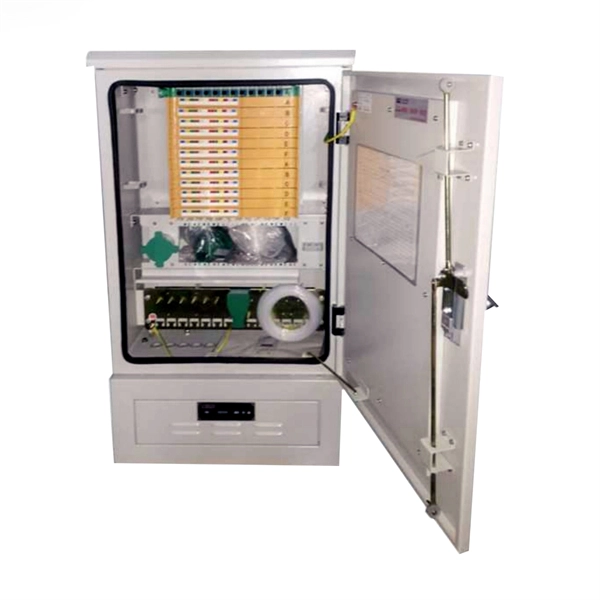
This review examines the impact of data analytics powered by the Internet of Things (IoT), edge computing, and artificial intelligence (AI) on improving energy efficiency in smart environments, with a focus on smart factories, smart cities, and smart territories. AI is the science of making machines capable of learning to perform tasks that traditionally required human intelligence. As artificial intelligence boosts global electricity demand from data centres and increasingly transforms how the energy sector works, the IEA has launched a new Energy and AI Observatory to closely monitor and analyse the interconnections between the energy sector and this fast-evolving. The Energy Internet represents a transformative paradigm integrating advanced power systems, distributed renewable energy, and digital technologies to achieve efficient, resilient, and sustainable energy management. Systems of the Fraunhofer Energy Alliance predict energy demands via model-based methods depending on season, weekday, time and other relevant parameters like meteorological.
[PDF Version]
-

Internet Enters the Energy Sector
IoT can be employed for improving energy efficiency, increasing the share of renewable energy, and reducing environmental impacts of the energy use. Digitalisation is an enabler of the energy transition across the whole energy value chain, from generation and transport, to distribution, supply and consumption. A system-wide approach, supported by EU. Modern technologies such the Internet of Things (IoT) offer a wide number of applications in the energy sector, i.
-
Widely Interconnected Energy Internet
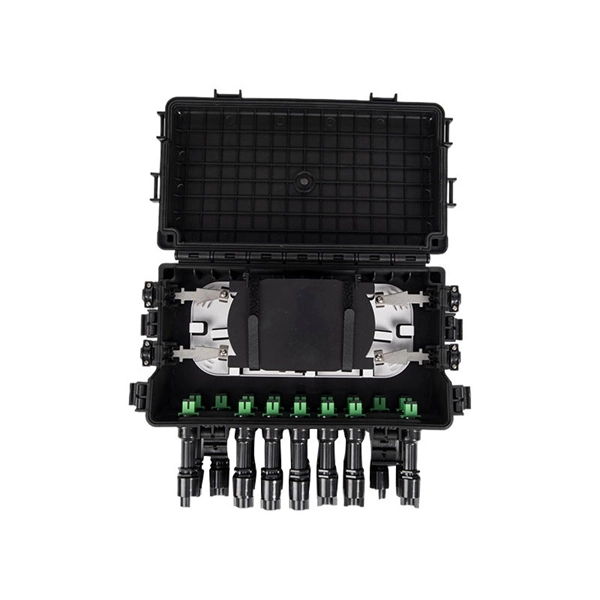
The Energy Internet is a proposed framework for maximising the efficient collection, distribution, and management of energy sources using networked computing and communication systems. Its features, such as plug-and-play mechanism, real-time bidirectional flow of energy, information, and money can lead to significant benefits and innovation in electricity production and. In light of current developments in information and telecommunication network technology, the concept of the Energy Internet (EI) has been proposed. Many steps have been done recently to put the EI into practise. These EI models have a lot in common, and yet no one has settled on a single.
-

Two aspects of the global energy internet construction
Based on electrical power systems, leveraging renewable energy generation technology, and information technology, the energy internet fuses power grids, gas networks, heat/cold supply networks, electri.
-

Internet of Things Technology and Energy Internet
This paper explores the transformative impact of IoT technologies on energy infrastructure, focusing on how they facilitate real-time monitoring, predictive maintenance, and data-driven decision-making. Integration of renewable energy and optimization of energy use are key enablers of sustainable energy transitions and mitigating climate change. Modern technologies such the Internet of Things (IoT) offer a wide number of applications in the energy sector, i. The current scope of IoT in the energy sector focuses on enhancing efficiency, reducing operational costs, and implementing more intelligent energy. IoT sensors embedded within the energy industry facilitate diagnostic, analytic, optimization, and integration processes, ultimately enhancing energy efficiency for residential, commercial, and industrial stakeholders. Its incorporation into engineering systems have gradually become very popular in recent.
[PDF Version]
-

What is the Energy Internet of the Future
The Energy Internet is a proposed framework for maximising the efficient collection, distribution, and management of energy sources using networked computing and communication systems. Its features, such as plug-and-play mechanism, real-time bidirectional flow of energy, information, and money can lead to significant benefits and innovation in electricity production and. Leaders gathering at the World Economic Forum Annual Meeting 2026 will explore how emerging technologies could help to solve real-world challenges. Electricity is becoming the defining infrastructure of the 21st century. As industry, digital services and emerging technologies electrify, power. The German Federal Ministry of Economics and Technology also launched E-Energy (Internet of Energy) about the same time. From generation to transmission to distribution and consumption, the E-Energy paradigm emphasises digitally integrated, sustainable energy systems enabled by information and. The Internet of Energy (IoE) represents a significant evolution in energy management, integrating Internet of Things (IoT) technology with distributed energy systems.
[PDF Version]
-
Fiber Bragg Grating Sensor Array Design
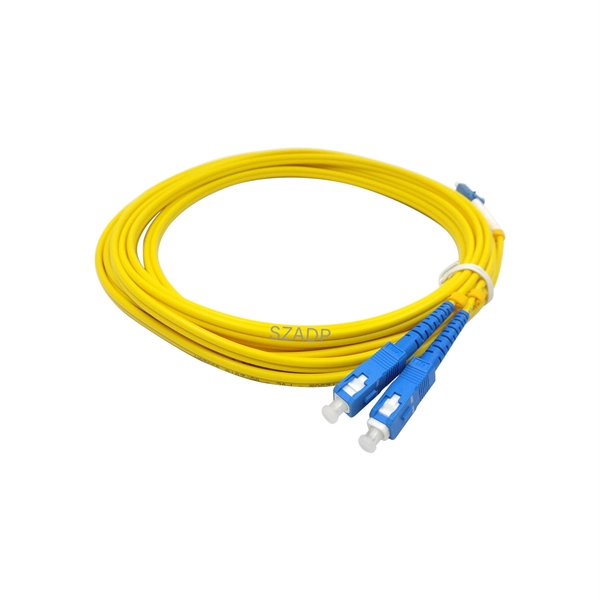
The modeling, design, simulation, fabrication, calibration, and testing of a three-element, 15. 3 cm fiber Bragg grating strain sensor array with the coherent optical frequency domain reflectometry (C-OFDR) interrogation technique are demonstrated. This review provides a comprehensive overview of FBG sensor technology. Abstract—Exceptional points (EPs), intrinsic to non-Hermitian systems, exhibit singular spectral responses with extreme sen-sitivity to external perturbations, offering new opportunities for precision sensing. In this work, we investigate the sensing performance of Fiber Bragg Gratings (FBGs). Fiber Bragg Grating (FBG) technology is one of the most popular choices for optical fiber sensors for strain or temperature measurements due to their simple manufacture, as we will see later on, and due to the relatively strong reflected signal. FBG sensors offer advantages such as small size.
[PDF Version]
-

Landscape Design of Electrical Distribution Boxes
To effectively hide utility boxes in your yard, consider using a combination of attractive plant combinations such as Calamagrostis acutiflora, Iris sibirica, Echinacea purpurea, and Aster novae-angliae. These plants can fill in the space and distract the eye, while also. Use planters with casters or place them on rolling trays for easy movement. Choose containers that complement your home's style—ceramic, wood, or composite. They include green transformer boxes, meter bases on houses, and smaller service panels. Landscaping around them presents a unique challenge. Utility. They are used at service drops to step down a line's primary voltage to a lower voltage used in your home.
-

200kWh energy storage battery cabinet for security purposes
200 kWh intelligent string outdoor battery cabinet with IP55 protection, designed for secure and efficient energy storage in harsh environments. Housed within a single weatherproof enclosure, it combines high-density lithium iron phosphate battery modules, a battery management system, a power conversion. Our 200kWh battery bank is designed to meet the energy-demanding requirements of commercial and industrial areas. It offers peak shaving, energy backup, demand response, and increased solar ownership capabilities. Modular design,highly integrated. Safe and Reliable Tier-1 LFP batteries.