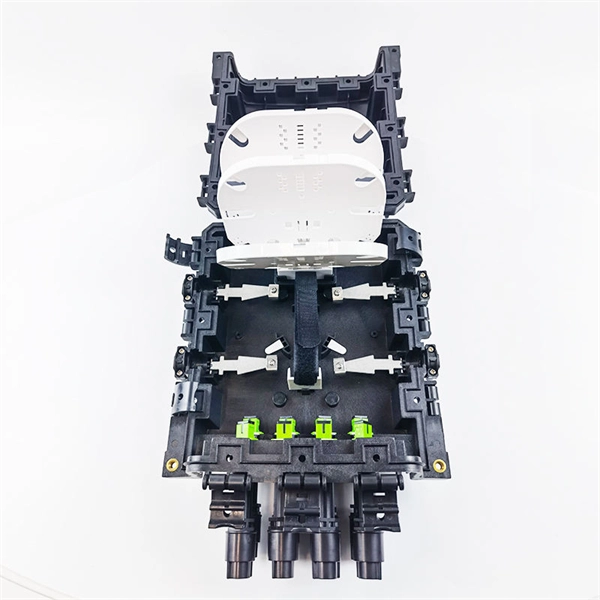
In summary, a fiber optic cable does not contain wires. It contains optical fibers, and the number of these fibers can vary greatly, ranging from a few to several hundred, depending on the cable's purpose and design, with external cables generally having higher fiber counts than. A fiber optic cable doesn't contain wires in the traditional electrical sense. Instead, it contains optical fibers, which are thin strands of glass or plastic that transmit data as pulses of light. Whether you're linking buildings, running broadband in rural areas, or building 5G infrastructure, the right cable matters. It affects performance, maintenance, cost, and reliability. The optical fiber elements are typically individually coated with plastic layers and contained in a protective tube. Fiber optic "cable" refers to the complete assembly of fibers, other internal parts like buffer tubes, ripcords, stiffeners, strength members all included inside an outer protective covering called the jacket. Rugged fiber optic cable is constructed so as to resist ultra-violet light and temperature fluctuations and may include features to. This guide will help you identify the most common types of fiber optic cables and understand how many strands of fiber are typically found in each.