-

Link Aggregation from Ordinary Switches
By the mid-1990s, most network switch manufacturers had included aggregation capability as a proprietary extension to increase bandwidth between their switches. Each manufacturer developed its own method, which led to compatibility problems. The working group took up a study group to create an interoperable standard (i.e. encompassing the physical and data-link layers both) in a November 1997 meeting. The group quickly agreed to include an automatic configuration feature whic.
-
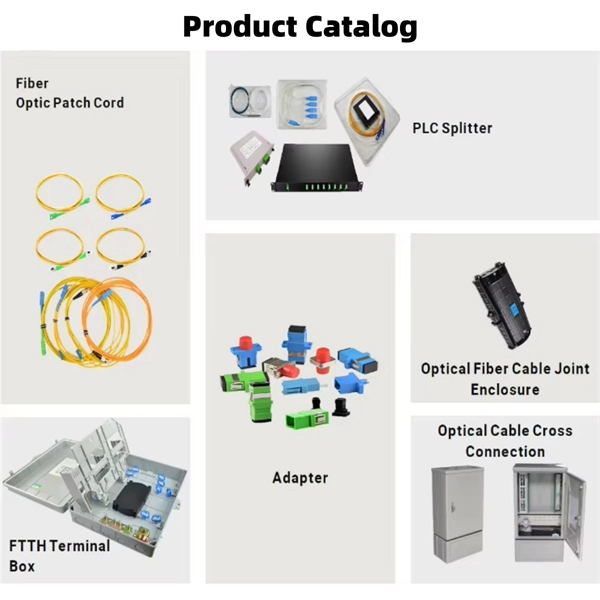
Aggregation Switch Method
Switch aggregation, also known as link aggregation or trunking, is a method used in computer networking to combine (aggregate) multiple network connections in parallel. By bundling multiple network connections into a single high-bandwidth link, aggregation switches help. An aggregate switch is a high-capacity network switch that consolidates connections from multiple access switches, acting as a central point for managing network traffic and providing enhanced bandwidth capabilities. It is essential for larger networks requiring efficient data flow. Aggregation switches are usually used to build large enterprise networks or data center networks.
-

Aggregation switch directly connected to device
The TAP aggregation switch is directly connected to all of the analysis tools used to monitor the events in the network fabric. These monitoring devices include remote monitor (RMON) probes, application firewalls, IPS devices, and packet sniffer tools. An aggregation switch is a network device that consolidates traffic from multiple access switches, wireless access points, or other edge devices and forwards it to core switches or routers. It is essential for larger networks requiring efficient data flow. " That's exactly what link aggregation does.
-
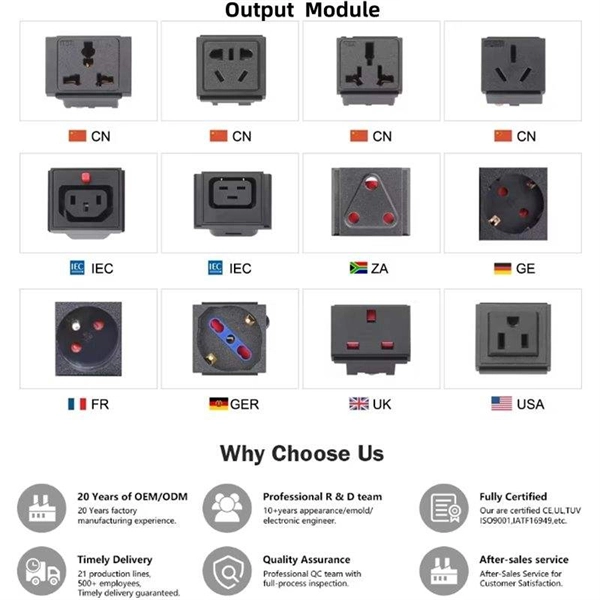
Adding a gateway to the aggregation switch
If the aggregation or access switches are stacked, you need to add the stack information to the site. Configure the management VLAN auto-negotiation function on the. What cable should I consider for gateway-to-aggregation switch connections? For maximum throughput in gateway-to-aggregation switch connections, it is recommended to use SFP+. This guide will walk you through the steps of installing and configuring the USW-Aggregation for optimal performance.
-

Aggregation switch connects multiple networks
An aggregation switch is a network device that consolidates traffic from multiple access switches, wireless access points, or other edge devices and forwards it to core switches or routers. By bundling multiple network connections into a single high-bandwidth link, aggregation switches help. An Aggregation or "Top-of-Rack" switch is designed to connect everything in a rack at high speeds, then have an even bigger pipe out to the rest of the network. The Pro Aggregation does this with it's SFP28 25Gbps ports. The regular Aggregation switch is best used to connect all devices in a rack. Switch aggregation, also known as link aggregation or trunking, is a method used in computer networking to combine (aggregate) multiple network connections in parallel. It is essential for larger networks requiring efficient data flow.
[PDF Version]
-

Main Switch Aggregation
Switch aggregation, also known as link aggregation or trunking, is a method used in computer networking to combine (aggregate) multiple network connections in parallel. This arrangement increases throughput beyond what a single relationship could sustain, offers redundancy in case one of the links. An aggregate switch is a high-capacity network switch that consolidates connections from multiple access switches, acting as a central point for managing network traffic and providing enhanced bandwidth capabilities. It is essential for larger networks requiring efficient data flow. The Pro Aggregation does this with it's SFP28 25Gbps ports.
-
Managing Switch Port Aggregation
This chapter describes how to configure trunk groups and 802. Trunk groups are manually-configured aggregate links containing multiple ports. Port aggregation is useful for implementing load balancing and provides a redundant link backup. This process, also known as link aggregation or LAG (Link Aggregation Group), is essential for optimizing network performance. Switch-to-Switch Aggregation: This is useful in scenarios where you need to interconnect multiple switches to increase the bandwidth available between them and ensure network redundancy. It helps in managing higher traffic loads between switches. To aggregate multiple physical ports into a logical channel, you can use static aggregation or LACP protocol for. This guide covers what port aggregation / link aggregation (LAG) is and how to enable and use it within UniFi. If you want fast and reliable UniFi hosting, check out HostiFi with fast. Link aggregation is a way of bundling a bunch of individual (Ethernet) links together so they act as a single logical link.
[PDF Version]
-
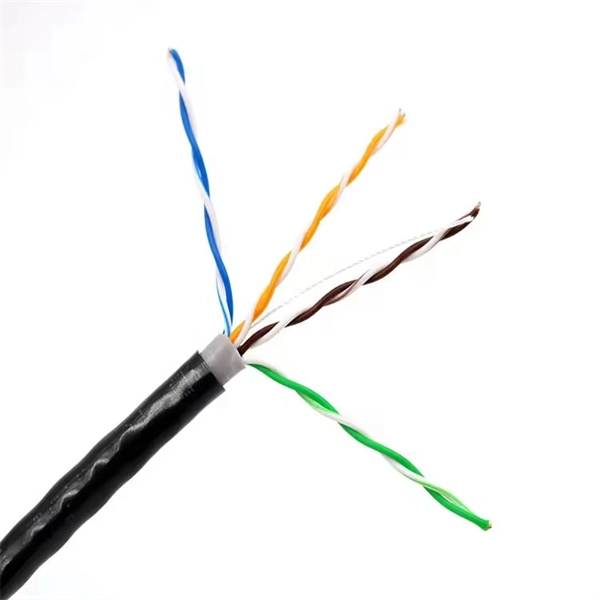
Introduction to Huawei Aggregation Switches
Huawei offers a range of powerful aggregation switches designed to meet the diverse networking needs of modern enterprises. These switches serve as critical intermediaries between access and core layers, ensuring high-speed data transmission, intelligent traffic management, and. Access devices downstream to the core layer can automatically go online through Zero Touch Provisioning (ZTP). This section describes three automatic deployment modes, which can be selected based on the site requirements. Device and link. This document provides campus networks typical configuration examples and feature typical configuration examples. Compact yet high-performing. At this time, we can connect to the network before the second floor; in fact, the principle is very simple, so that the switches between the two floors can communicate with each other; (one network cable is enough); then why use link aggregation (should be (The root network cable is not enough). Link aggregation is a technology that bundles multiple Ethernet links into a logical link to increase bandwidth, improve reliability, and load balance traffic. 1 Overview of Link Aggregation 3.
[PDF Version]