-
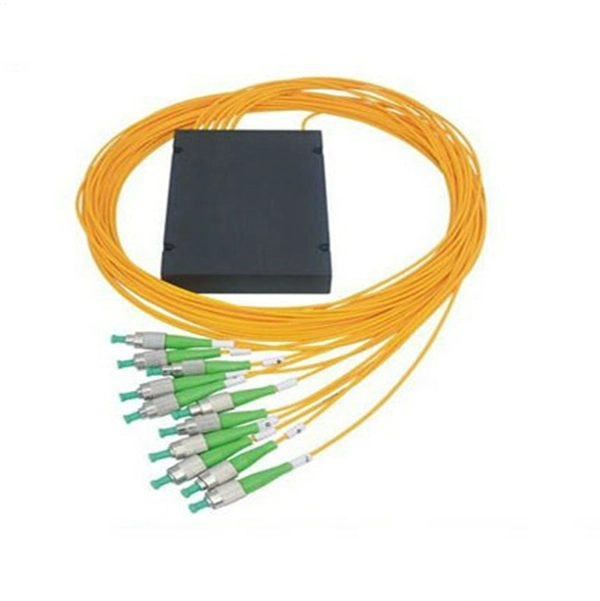
Gyts optical cable design
The "GYTS" designation refers to its specific construction: an outdoor-use cable with a gel-filled loose tube (T) design, protected by a layer of corrugated steel tape armor (S) and finished with a durable polyethylene (PE) outer jacket (Y). Stranded Loose Tube Light-armored Cable (GYTS/GYTA) is a reliable and high-performance solution for fiber optic communication. With their sturdy construction and advanced features, GYTS/GYTA cables are the. This comprehensive article provides an in-depth exploration of GYTS fiber optic cables, covering their construction, features, advantages, applications, and future prospects, with a particular focus on their ability to deliver seamless data communication across diverse environments. The optical fibers are placed inside high-modulus PBT loose tubes filled with water-blocking compound.
[PDF Version]
-

How to ensure good heat dissipation in explosion-proof network cabinets
Several fundamental strategies optimize heat dissipation: Component placement and spacing. Position heat-generating equipment away from temperature-sensitive devices, with adequate airflow clearances. Total all internal heat sources – This defines the total internal thermal load—everything your enclosure must manage. In this post, we'll explore. How to determine whether an explosion-proof cabinet requires the installation of cabinet air conditioning? New Product Recommendation | TXU Series High Pe. Common reasons and maintenance methods for cabi. Axial flow fan not running: 10 common problems. Choosing the Right Network Cabinet Size When selecting a network cabinet, appropriate size is paramount for heat. Consequently, telecommunication equipment is housed in cabinets to protect the electronics from a variety of hazards; one of which is temperature-related failure. They house sensitive components such as PLCs, variable frequency drives (VFDs), contactors, relays, and communication equipment.
[PDF Version]
-
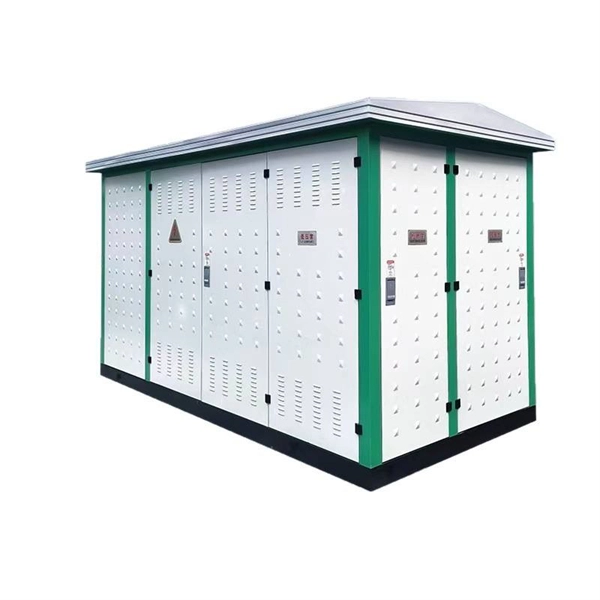
Substation Communication and Power Supply System Design
In this article, we shall discuss how the control, monitoring, and communication systems in a power system have evolved, and issues the design engineers must focus on while designing these systems in.