-

Function of European Wavelength Division Multiplexers
Wavelength division multiplexing (WDM) is a technology for increasing the transmission capacity of optical fiber communications by sending multiple data channels simultaneously through a single fiber, each on a different wavelength of light. This technique enables bidirectional communications over a. 📦 For purchasing, use the RP Photonics Buyer's Guide for wavelength division multiplexing. It provides an expert-curated supplier directory, buyer-focused technical background information, and structured selection criteria to support professional procurement decisions. Wavelength division. Wavelength division multiplexers are fundamental to the functioning and performance of integrated photonic circuits, with applications ranging from optical interconnects to sensing and quantum technologies.
[PDF Version]
-

How does WDM Wavelength Division Multiplexing technology couple
A WDM system uses a multiplexer at the transmitter to join the several signals together and a demultiplexer at the receiver to split them apart. With the right type of fiber, it is possible to have a device that does both simultaneously and can function as an optical add-drop. In fiber-optic communications, wavelength-division multiplexing (WDM) is a technology which multiplexes a number of optical carrier signals onto a single optical fiber by using different wavelengths (i. There are different filtering technologies such.
-
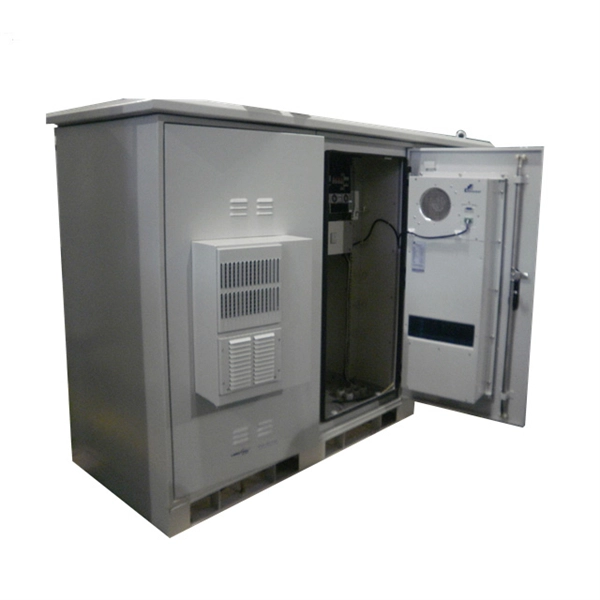
Dense Wavelength Division Multiplexing Channel Spacing
4 nm (100 GHz/50 GHz grid). This small channel spacing allows to transmit simultaneously more information. Currently a restriction on wavelengths between 1530 nm and 1625 nm exists which corresponds to the C and L band. In fiber-optic communications, wavelength-division multiplexing (WDM) is a technology which multiplexes a number of optical carrier signals onto a single optical fiber by using different wavelengths (i. Instead of transmitting one signal per fiber, WDM systems combine multiple optical carriers. FS DWDM transceivers are available with C17-C61 100 GHz DWDM wavelengths, and C17-C61 50 Ghz DWDM wavelengths, including DWDM SFP, DWDM SFP+, DWDM XFP, and Tunable DWDM transceivers that support transmission distance up to 100 km.
-

Coarse Wavelength Division Multiplexer and Dense Wavelength Division
WDM systems are divided into three different wavelength patterns: normal (WDM), coarse (CWDM) and dense (DWDM). Coarse WDM provides up to 16 channels across multiple transmission windows of silica. Wavelength division multiplexing (WDM) is a technology for increasing the transmission capacity of optical fiber communications by sending multiple data channels simultaneously through a single fiber, each on a different wavelength of light. Learn all about CWDM, how it differs from DWDM, and whether a CWDM solution is right for your business's network. Although both technologies function by. The focus of this paper is on the basics of designing and deploying Coarse Wavelength Division Multiplexing (CWDM) systems based on modular Wave-Division-Multiplexing (WDM) technologies and pre-connectorized (“plug-and-play”) solutions.
[PDF Version]
-

How much does a Qatar wavelength division multiplexer cost
A WDM system uses a at the to join the several signals together and a at the to split them apart. With the right type of fiber, it is possible to have a device that does both simultaneously and can function as an. The optical filtering devices used have conventionally been (stable solid-state single-frequency in the form of.
-
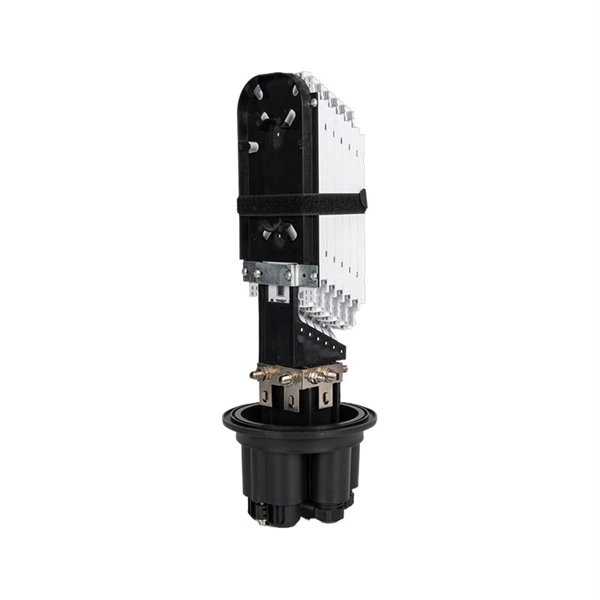
Multi-path wavelength division multiplexing
It is a method for combining multiple data signals onto a single optical fiber by assigning each data stream a distinct light wavelength. This technique enables bidirectional communications over a. Wavelength division multiplexers are fundamental to the functioning and performance of integrated photonic circuits, with applications ranging from optical interconnects to sensing and quantum technologies. The chapter begins with a quick historical account of the origin of optical communication and its exponential growth following the invention of erbium oped fiber amplifier (EDFA) leading to the widespread adoption of WDM. This makes it possible to scale capacity cost-effectively by using existing infrastructure more efficiently. Read on to learn the fundamentals of this useful technology. To begin with, we assume that we have the element parameters from a known process design kit (PDK).
[PDF Version]
-

Block the signal terminals of the wavelength division multiplexer
This example goes through the design of an 8-channel WDM. Our goal is to design an 8-channel WDM system with a comb laser as the input, cascaded ring modulators to modulate and multiplex the signals.
-
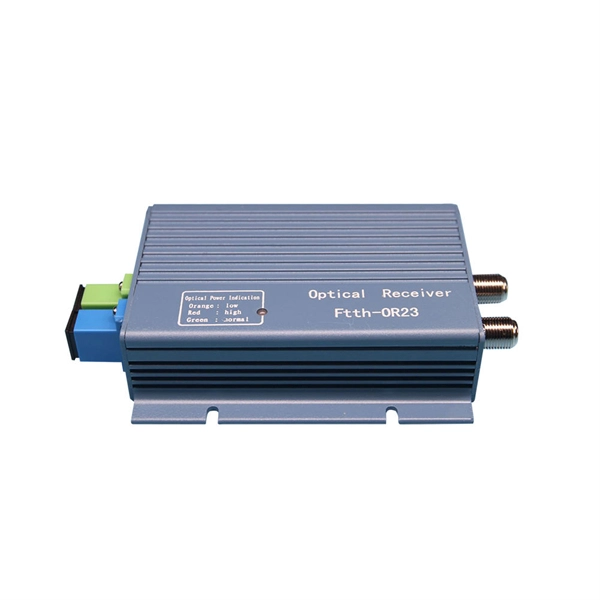
Indirect Modulation Wavelength Division Multiplexing
WDM systems are divided into three different wavelength patterns: normal (WDM), coarse (CWDM) and dense (DWDM). Normal WDM (sometimes called BWDM) uses the two normal wavelengths 1310 and 1550 nm on one fiber. Coarse WDM provides up to 16 channels across multiple transmission windows of silica fibers. OverviewIn, wavelength-division multiplexing (WDM) is a technology which a number of signals onto a single by using different (i.e., colors) of. A WDM system uses a at the to join the several signals together and a at the to split them apart. With the right type of fiber, it is possible to have a device that does both s.
-
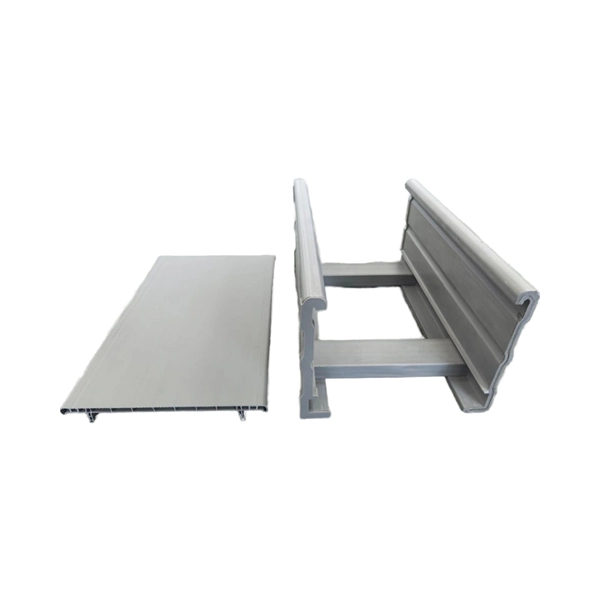
WDM devices for optical modules
WDM (Wavelength Division Multiplexing) integrated devices, as a key technology in modern optical fiber communication, utilize WDM technology to enable simultaneous transmission of multiple wavelengths of light signals over a single fiber, significantly increasing the total data. WDM (Wavelength Division Multiplexing) integrated devices, as a key technology in modern optical fiber communication, utilize WDM technology to enable simultaneous transmission of multiple wavelengths of light signals over a single fiber, significantly increasing the total data. WDM stands for Wavelength Division Multiplexing. It is an optical fiber transmission technology. You can think of it like a highway. This dramatically increases bandwidth capacity without increasing the number of fibers or. In fiber-optic communications, wavelength-division multiplexing (WDM) is a technology which multiplexes a number of optical carrier signals onto a single optical fiber by using different wavelengths (i. This enables effective management of bandwidth and also helps to expand the capacity of existing Fibre Optic systems, components and modules.
[PDF Version]
-

Customization Process for Low-Noise Reconfigurable Optical Add-Drop Multiplexers for Broadcast Transmission
Network operators diversify service offerings and enhance network efficiency by leveraging bandwidth-variable transceivers and colorless flexible-grid reconfigurable optical add-drop multiplexers (RO.
-
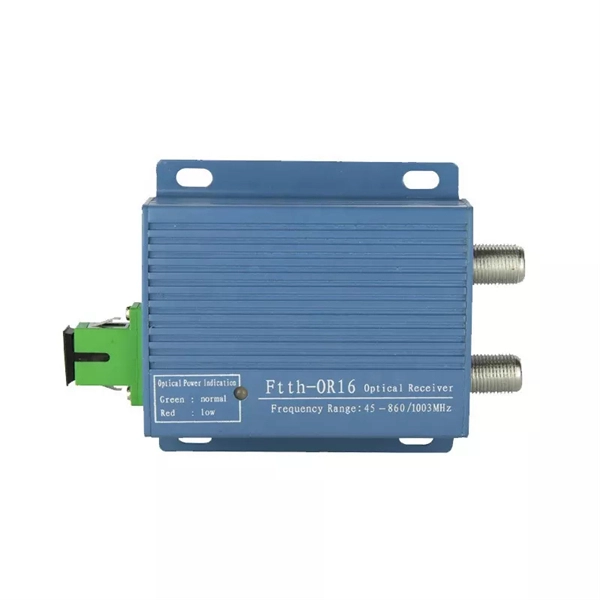
Intelligent Core Switch Division
Includes dual power supplies, hot-swappable modules, link aggregation (LAG), and support for HSRP/VRRP. Modular chassis or stackable designs make it easy to scale as your network grows. 1X support, SNMP, CLI/Web GUI, and network access control. Engineered to aggregate massive volumes of data from distribution switches, it provides ultra-low latency and maximum throughput to ensure uninterrupted routing and packet. Core/Convergence provides multi-service capabilities such as security, wireless, SDN, PON, and PoE. Access provides intelligent access capabilities such as AI PoE and intelligent terminal recognition in various scenarios. In these switches, the data routed and switched. A core switch is a high-performance network switch located at the core layer of the network architecture. It is mainly responsible for high-speed forwarding and management of large amounts of data traffic from various aggregation layer switches. Scalability: They can handle a italic large number of connections italic and adapt to growing network demands. Redundancy: Many core switch.
[PDF Version]
-
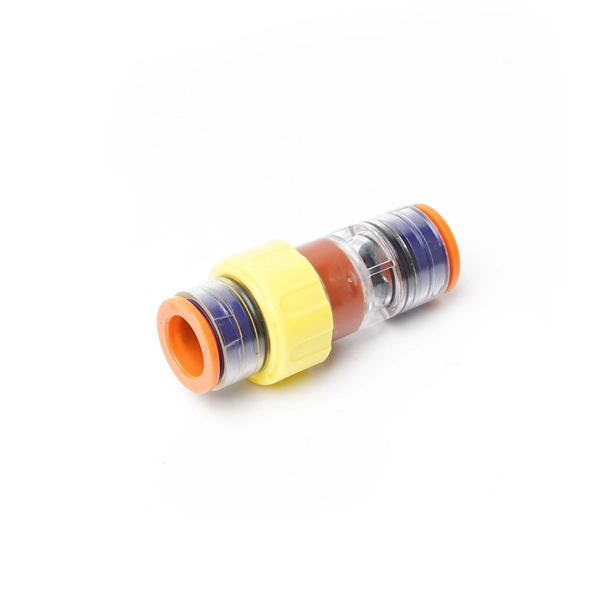
Fiber optic communication SDH and WDM
In the realm of telecommunications and high-speed data transmission, Wavelength Division Multiplexing (WDM) and Synchronous Digital Hierarchy (SDH) stand as foundational technologies. While both enable efficient data transfer, their roles, capabilities, and applications diverge significantly.