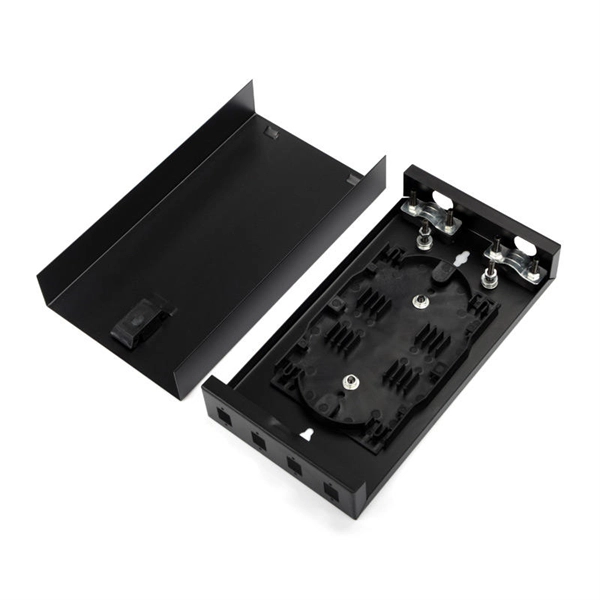
The metal box of the distribution box, the electrical installation board, and the metal base and casing of the electrical appliances in the box must be grounded. The protective neutral wire should be reliably connected through the terminal board. Metal boxes must be grounded using: Plastic boxes do not require bonding to the box itself but the grounding conductors must remain continuous. Make sure each box is tight and does not move. Always use covers that fit well. A junction box protects wire connections from physical damage, reduces shock and fire risks. Also, junction boxes are required to be grounded to prevent the buildup of static electricity, which could ignite flammable gases or dust. You must clearly mark your junction boxes with the appropriate hazardous location classification and any other necessary information, like the maximum. Metal raceways, cable trays, cable armor, cable sheath, enclosures, frames, fittings, and other metal noncurrent-carrying parts that are to serve as grounding conductors, with or without the use of supplementary equipment grounding conductors, shall be effectively bonded where necessary to ensure. NEC requires junction boxes to meet size (box fill), material, accessibility, and grounding rules (per Articles 314 & 300).